
Choosing activities by age stage

The best activity is not the most impressive one. It is the one that meets your child where they are and stretches them a little.
Early Years (3–5)
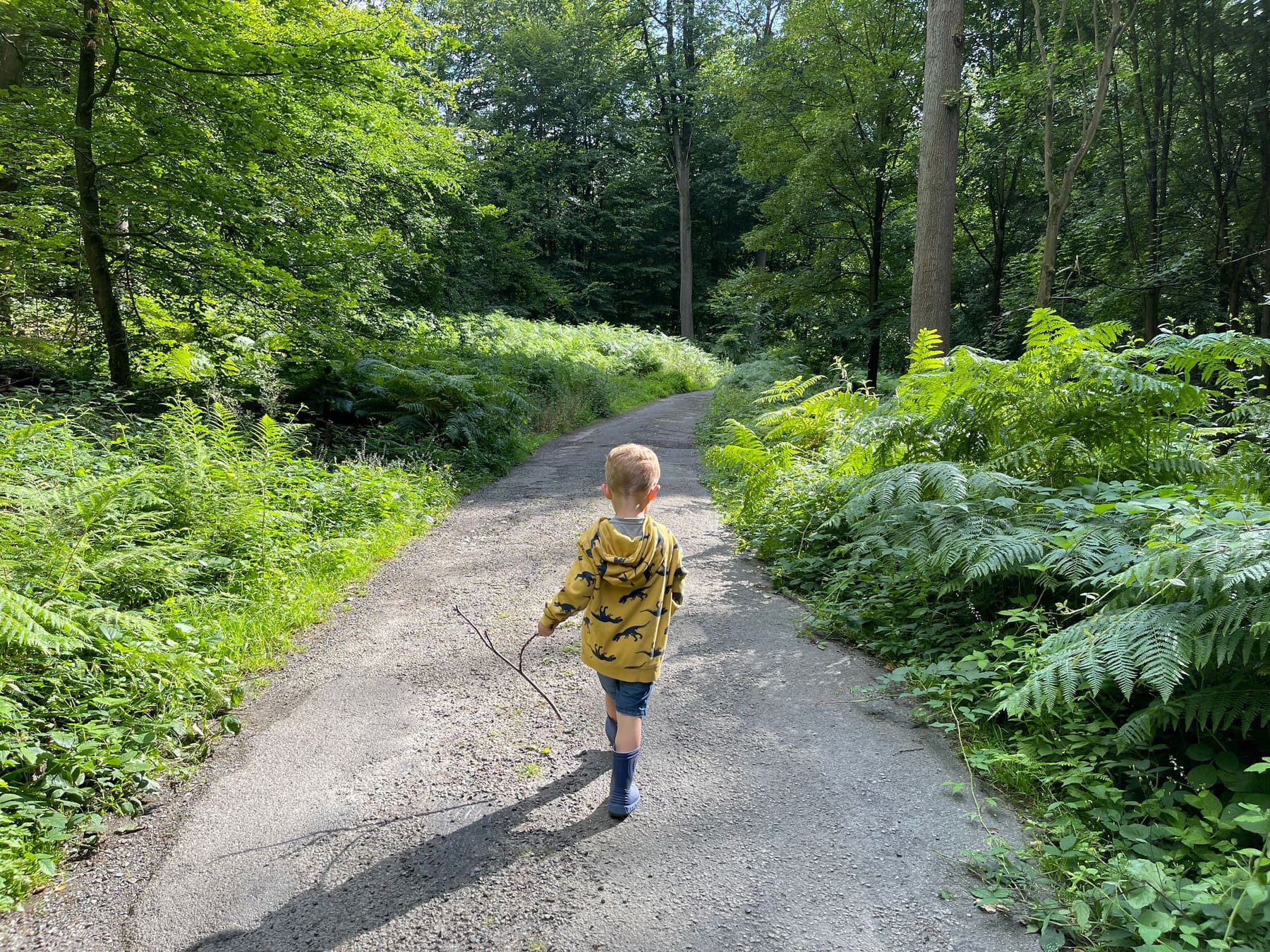
Look for activities where children can touch, move, and talk. Short visits are better than long ones. Counting steps, naming colours, singing rhymes, and sorting leaves are real early learning in maths, language, music, and science.
Primary (6–10)
Children can now follow a simple plan and explain what they notice. Hands-on exhibits, nature walks with a task, and beginner workshops build both skills and confidence.
Middle Years (11–14)
Interests start to deepen. Let your child choose, then encourage a project: a robot that works, a dataset collected, a question investigated over several visits.
Teens (15–18)
Teens benefit from independence and real stakes: competitions, volunteering, advanced courses, and activities connected to future study or careers.